Application Support

language
language

Application Support
Supercritical Foaming-Based Special Molding
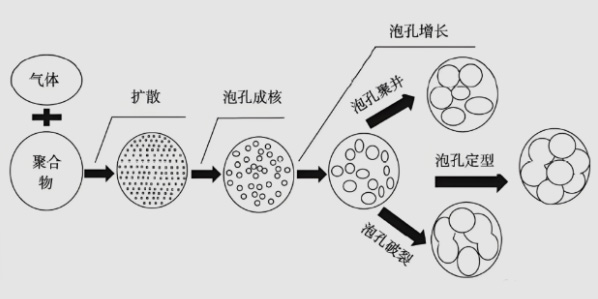
Supercritical foaming is a physical foaming technology that uses supercritical carbon dioxide or nitrogen as a blowing agent in place of organic foaming agents, and is carried out under controlled pressure and temperature conditions [1†L36-L37].
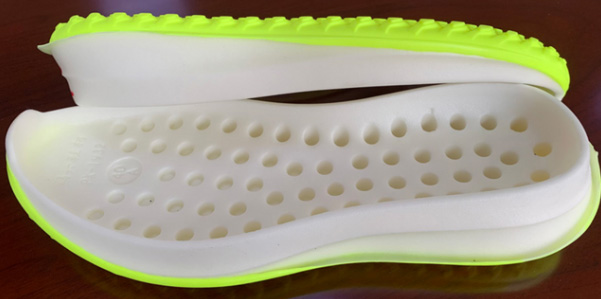
EVA is the earliest, most mature, and most widely used foaming material in footwear applications.
Density: 0.08-0.12 g/cm³
Energy return performance up to over 92%
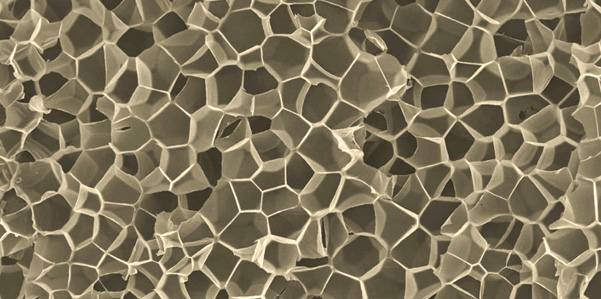
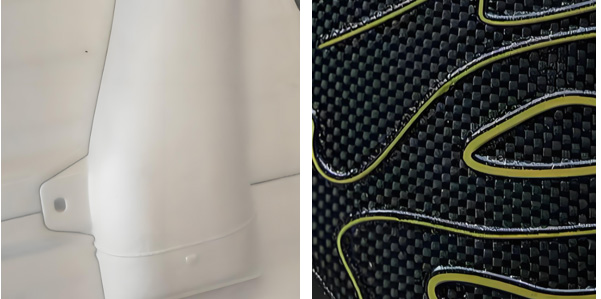
Supercritical foaming materials are used in automotive interiors, rail transportation, and other industries, offering the following unique advantages:
VOC-free, odor-free — completely eliminates odor issues
Lightweight — density can be as low as 30 kg/m³, contributing to overall vehicle weight reduction
Lightweight yet high-strength — overall mechanical properties superior to traditional foaming materials
Non-crosslinked and recyclable;
Excellent thermal insulation, shock absorption, waterproofing, and sound insulation properties.
Molding technology is key
During the molding process, excessively high melt temperature or insufficient mold cooling may lead to cell rupture or surface roughness;
Mold design and processing parameters (such as injection speed, holding pressure, and holding time) must be carefully controlled to ensure quality.